
Planning a new hospital in Bangladesh is a major project. Along with building design and staffing, you need a clear medical equipment checklist for each department—ER, ICU, OT, wards, and laboratory. This 2025 guide gives a practical overview so you can plan purchases and talk confidently with suppliers.
1. Emergency Department (ER) Equipment
Core items:
- Patient trolleys and stretchers
- Vital‑sign monitors (BP, pulse, temperature, SpO₂)
- Defibrillator
- Oxygen supply (cylinders and/or concentrators, flow meters, masks)
- Suction machines
- Nebulizers
- Basic procedure sets (sutures, dressing sets)
Why it matters: Fast triage, stabilization, and safe transfer to ICU/wards depend on reliable ER equipment.
2. Intensive Care Unit (ICU/CCU)
Key equipment:
- ICU beds with side rails
- Multiparameter monitors (ECG, NIBP, SpO₂, temperature, respiratory rate)
- Ventilators
- Syringe/infusion pumps
- Suction units (central or portable)
- Emergency crash cart with defibrillator
- Access to ABG analysis (onsite or via lab)
- Patient warming/cooling systems where indicated
Plan capacity based on expected peak occupancy, not just initial bed numbers, and make sure backup power and oxygen sources are in place.
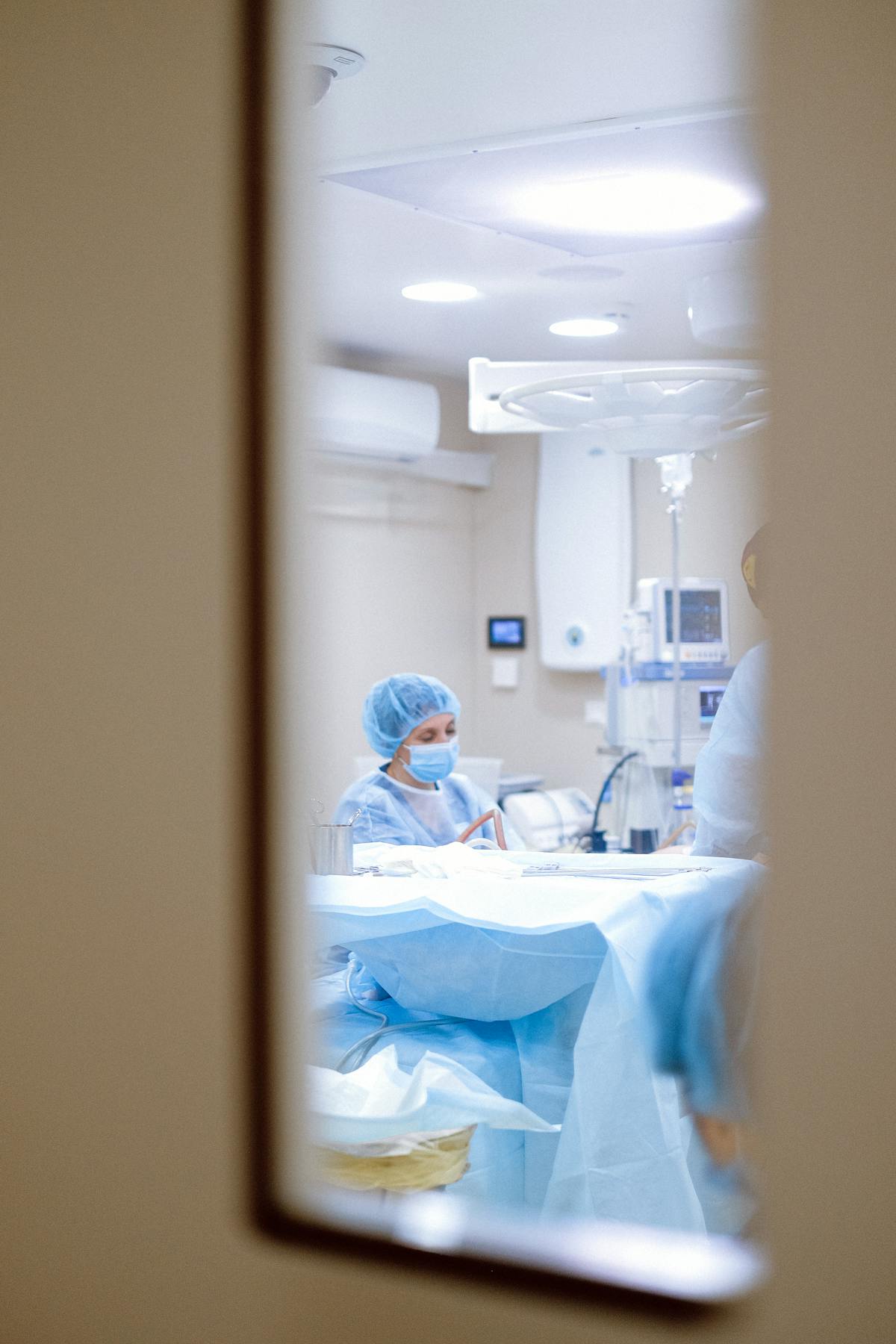
3. Operating Theatre (OT)
Essential OT equipment:
- OT tables and surgical lights
- Anesthesia machines and vaporizers
- Patient monitors (ECG, NIBP, SpO₂, CO₂ where applicable)
- Suction units
- Electrosurgical unit (cautery)
- Instrument sets (by specialty)
- Sterilizers and autoclaves
- OT trolleys, instrument tables, and storage solutions
Why it matters: Safe surgery requires coordinated equipment, reliable power, and proper sterilization workflows.
4. Wards (Medical, Surgical, Paediatric, etc.)
Standard items:
- Hospital beds and bedside lockers
- Over‑bed tables
- BP monitors and thermometers
- Wheelchairs and stretchers
- Basic procedure trolleys
- Oxygen and suction points or portable units
Consider bed spacing, infection control, and simple monitoring to reduce unnecessary ICU transfers.
5. Laboratory Equipment
Depending on hospital size, core lab equipment usually includes:
- Hematology analyzers
- Biochemistry analyzers
- Microscopes and centrifuges
- Refrigerators/freezers for reagents
- Sample collection chairs and consumables
Working with a reliable lab supplier ensures reagent availability, calibration, and technical support.
6. Imaging and Diagnostics
At minimum for most general hospitals:
- X‑ray machine (with or without digital system)
- Ultrasound machine
- ECG machines
- Portable ultrasound or X‑ray for ICU/OT where possible
Larger hospitals may add CT, MRI, or advanced imaging through phased investments as demand and budget grow.
7. Support and Non‑clinical Equipment
Do not overlook:
- CSSD (central sterile services) equipment
- Laundry and waste management systems
- Oxygen generation plant or manifold (for large facilities)
- IT infrastructure for HIS/LIS/RIS and PACS (where relevant)
How to Use This Checklist with Suppliers
- Break your hospital into departments (ER, ICU, OT, wards, lab, imaging).
- Map the equipment list for each area using the sections above.
- Discuss the checklist with 2–3 major medical equipment suppliers.
- Ask for phased proposals (e.g. Phase 1: ER+ICU+OT; Phase 2: wards+imaging).
Find Hospital Equipment Suppliers in Bangladesh
You can use Cardinal Healthcare BD to discover suppliers of ICU, OT, diagnostic, and ward equipment in Bangladesh.
Browse hospital equipment and project solutions to connect with suppliers who understand local regulations, DGDA requirements, and practical hospital workflows.
FAQs
How do I prioritize equipment when budget is limited?
Start with life‑saving and high‑impact areas: ER, ICU, and OT. Then expand to wards, lab, and imaging in phases.
Should I buy everything from one supplier?
Many hospitals work with a primary project supplier plus a few specialized vendors. The key is clear contracts, service commitments, and compliance.
Use this checklist as a starting point, then customize it based on your hospital size, specialties, and budget.