
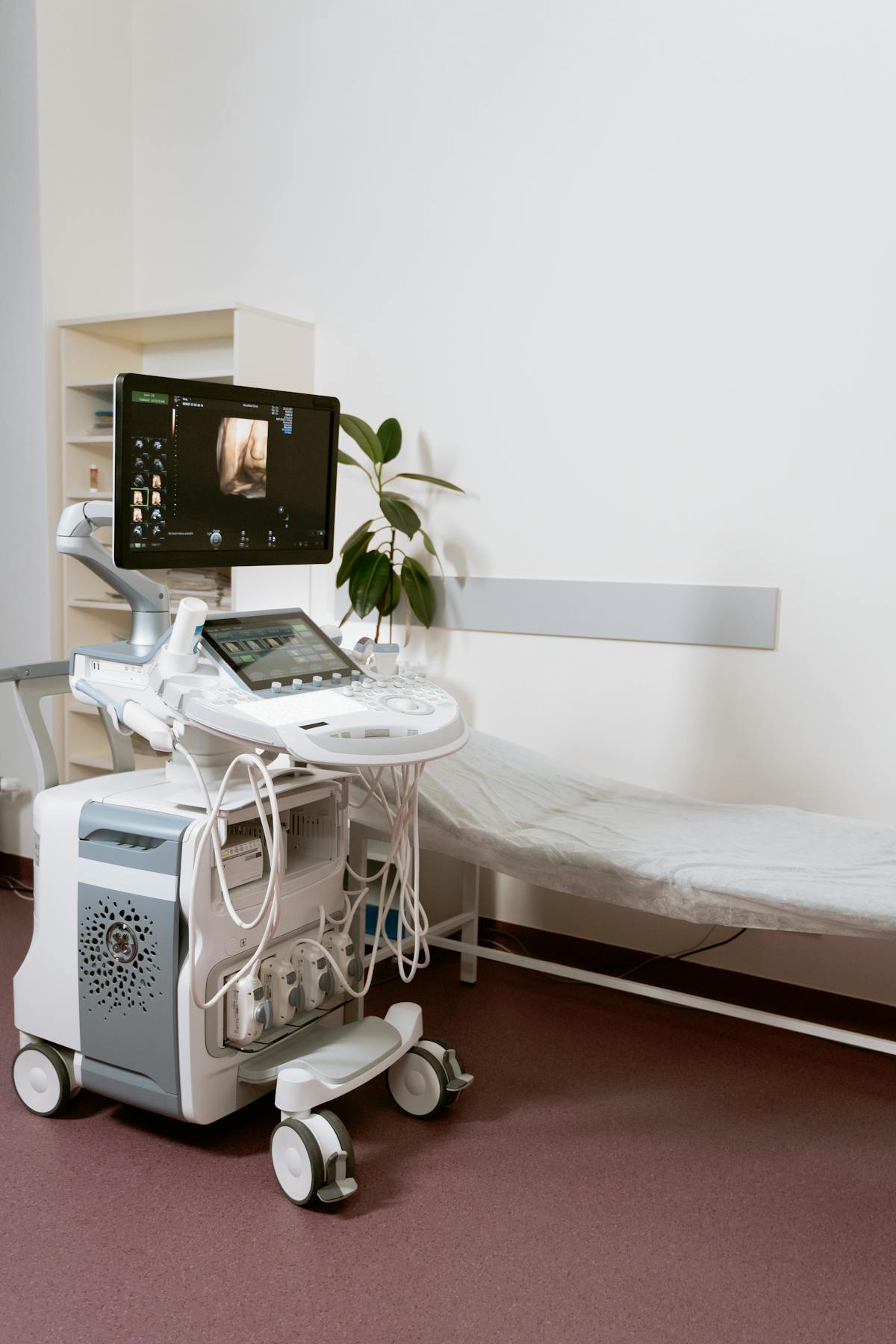
Hospitals, clinics, and diagnostic centers in Bangladesh depend on quality medical equipment for patient care and accurate diagnosis. The medical equipment supplier you choose affects not only what you buy but also installation, training, maintenance, and long-term cost. This guide gives you 7 practical checks so you can choose the right medical equipment supplier in Bangladesh with confidence.
Why Choosing the Right Medical Equipment Supplier Matters
A good medical equipment supplier does more than sell devices. They help you select the right products for your needs, ensure proper installation and training, and provide after-sales support. The wrong supplier can mean delays, poor service, non-compliant equipment, or higher total cost. For hospitals and clinics, reliability, compliance, and support are as important as price.
7 Things to Check When Choosing a Medical Equipment Supplier in Bangladesh
1. Product Range and Specialization
Check whether the supplier offers the categories you need: diagnostic equipment (ECG, ultrasound, X-ray), ICU and patient monitoring, laboratory equipment, surgical instruments, or consumables. Some suppliers focus on one area (e.g. imaging or lab); others offer a broad range. Choose one that matches your facility’s needs and future plans so you can consolidate orders and build a long-term relationship.
2. Regulatory Compliance (DGDA and Standards)
In Bangladesh, medical devices are regulated by the Directorate General of Drug Administration (DGDA). A reliable medical equipment supplier should be able to show that their products are registered or compliant where required. Ask for:
- DGDA registration or documentation where applicable
- Certificates (e.g. CE, FDA) for imported equipment
- Clear labeling and documentation for traceability
Working with compliant suppliers reduces risk during audits and ensures that equipment meets national standards.
3. After-Sales Service and Support
Equipment will need calibration, maintenance, and repairs. Before you buy, clarify:
- Warranty duration and what it covers
- Service and repair availability (on-site vs bring-in)
- Response time for breakdowns
- Training for your staff (installation and use)
- Spare parts availability and lead time
A supplier that offers strong after-sales support helps you avoid long downtime and keeps your equipment accurate and safe.
4. Reputation and References
Check the supplier’s reputation in the market. Look for:
- Years in business and experience in healthcare
- References from other hospitals or clinics (same type of equipment)
- Reviews or feedback from other buyers if available
Suppliers who have served similar facilities in Bangladesh are more likely to understand your needs and constraints.
5. Transparency on Price and Total Cost
Price matters, but total cost of ownership matters more. Consider:
- Upfront price and payment terms
- Installation and training costs (if any)
- Maintenance contracts and annual cost
- Consumables and parts (availability and price)
A slightly higher upfront price with better warranty and service can be cheaper over 5–10 years. Ask for a clear breakdown and compare options.
6. Delivery, Installation, and Logistics
Confirm delivery and installation:
- Delivery time and whether it’s to your door or only to city
- Installation (who does it—supplier or third party?)
- Site readiness (power, space, any civil work needed)
For large or sensitive equipment (e.g. imaging), professional installation and site checks are essential. Choose a medical equipment supplier that can support this in your area.
7. Local Presence and Communication
A supplier with a local presence in Bangladesh (office, warehouse, or service center) can respond faster and communicate in your language. Check:
- Contact channel (phone, email, visit) and response time
- Language (Bengali/English) for manuals and training
- Availability for urgent issues
Good communication reduces misunderstandings and speeds up problem-solving.
Red Flags to Avoid When Choosing a Medical Equipment Supplier
- No or vague compliance information (DGDA, certificates)
- Unwillingness to give references or site visits
- Very low price with no clear warranty or service
- No after-sales support or long response times
- Pressure to pay fully upfront with no clear delivery or installation plan
If you see these, consider other options.
Next Step: Compare Medical Equipment Suppliers in Bangladesh
Once you know what to look for, the next step is to compare suppliers by product range, location, and services. You can browse and filter medical equipment suppliers in Bangladesh by category, location, and contact details on Cardinal Healthcare BD. Use the checklist above when you shortlist and contact suppliers for quotes.
Frequently Asked Questions
What should I look for in a medical equipment supplier in Bangladesh?
Look for: product range that matches your needs, DGDA/compliance documentation, strong after-sales service and warranty, good reputation and references, clear pricing and total cost, reliable delivery and installation, and a local presence for support.
Why is DGDA compliance important when buying medical equipment?
DGDA regulates medical devices in Bangladesh. Buying from compliant suppliers ensures your equipment meets national standards, reduces audit risk, and helps protect patient safety.
Is the cheapest medical equipment supplier the best choice?
Not necessarily. The best choice balances price with quality, warranty, service, and compliance. Low upfront cost with poor support or non-compliant products can cost more in the long run.
Find and compare medical equipment suppliers in Bangladesh on Cardinal Healthcare BD—hospitals, clinics, and buyers trust us to connect with reliable suppliers.