
For clinics in Bangladesh, the right diagnostic equipment makes everyday consultations faster, safer, and more accurate. Whether you run a GP practice, specialist clinic, or small diagnostic center, there is a core list of tools that almost every clinic should have.
Why Diagnostic Equipment Matters
Good diagnostic tools help you:
- Make faster decisions during consultations
- Increase patient confidence in your clinic
- Reduce referrals for simple conditions
- Improve follow‑up for chronic diseases (hypertension, diabetes, COPD)
1. Blood Pressure Monitor (Sphygmomanometer)
Use cases:
- Routine screening for hypertension
- Monitoring response to therapy
- Pre‑procedure vital checks
Benefits: Essential for almost every adult patient; supports early detection of cardiovascular risk and informs treatment choices.
Buying tips: Choose reliable brands (manual or digital), ensure correct cuff sizes, and check calibration and service options.
2. Thermometer
Use cases: Fever assessment in infections, post‑operative care, pediatric visits.
Benefits: Quick triage in viral or bacterial illnesses; especially important in children and elderly patients.
Buying tips: Non‑contact infrared or fast digital thermometers are ideal for busy clinics; ensure easy cleaning and disinfection.
3. Glucometer
Use cases:
- Screening and monitoring for diabetes
- Checking blood sugar before minor procedures
Benefits: Immediate data for clinical decisions and prevention of hypo‑ or hyperglycemic events.
Buying tips: Confirm ongoing strip availability and cost, and train staff on correct use and infection control.
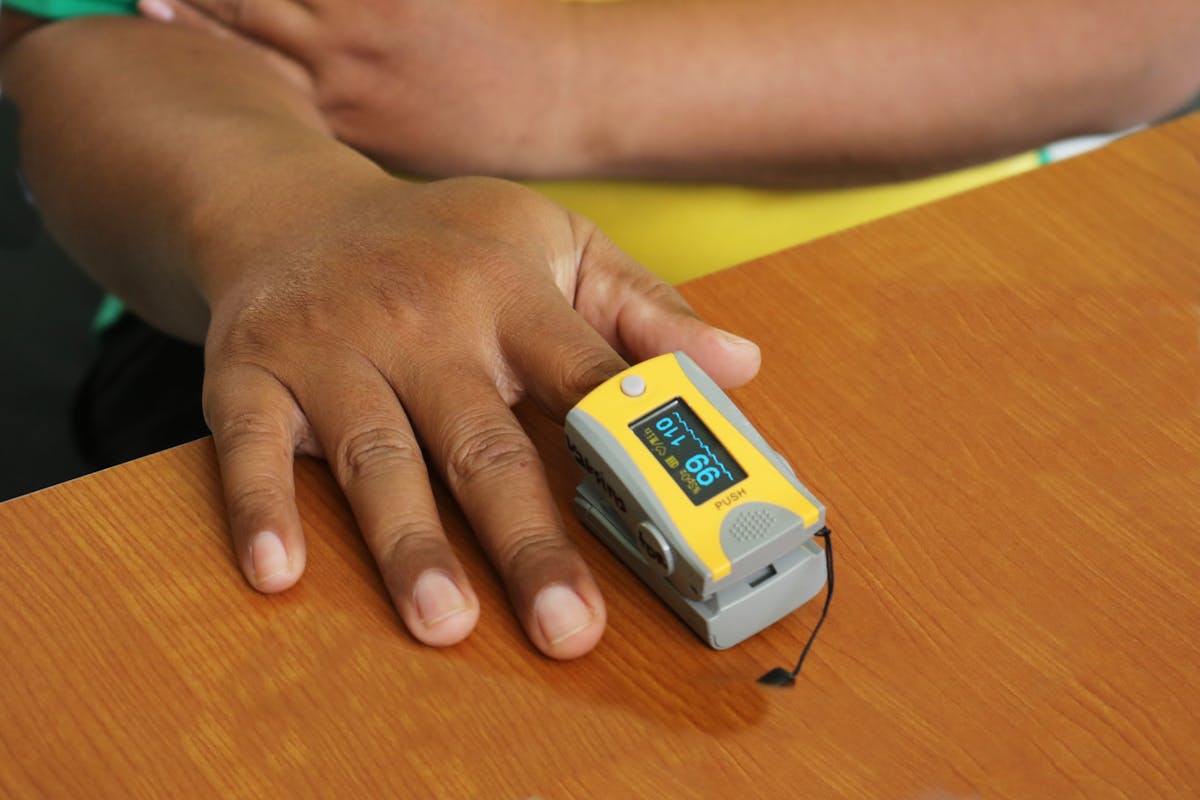
4. Pulse Oximeter
Use cases: Respiratory complaints (asthma, COPD, pneumonia), pre/post‑procedure monitoring, follow‑up after respiratory infections.
Benefits: Non‑invasive check of oxygen saturation and pulse that helps decide when to refer or admit a patient.
Buying tips: Look for clear displays, stable readings, and durable design suitable for frequent use.
5. ECG Machine (for Clinics That See Cardiac Cases)
Use cases: Chest pain, palpitations, dizziness, and symptoms in hypertensive or diabetic patients.
Benefits: Early detection of rhythm problems and better triage for referral to cardiology or emergency departments.
Buying tips: For smaller clinics, a compact 3‑ or 6‑channel ECG may be sufficient. Check availability of consumables and basic training support.
6. Basic Examination Instruments
Beyond electronic devices, every clinic should have:
- Stethoscope and manual BP set
- Otoscope and ophthalmoscope (where relevant)
- Pen torch
- Weighing scale and height measure
These tools support a complete physical examination and should be standard in each consulting room.
7. Point‑of‑Care Tests (Where Appropriate)
Depending on your clinic’s focus, consider:
- Urine dipsticks
- Pregnancy tests
- Rapid tests for selected infections (based on local guidelines)
Point‑of‑care tests improve speed of diagnosis and reduce trips to external labs for simple investigations.
How to Plan Your Clinic’s Diagnostic Setup
- List the conditions you see most often (e.g. hypertension, diabetes, respiratory disease).
- Map each condition to the diagnostic tools required.
- Prioritize purchases that:
- Improve safety (BP monitor, pulse oximeter)
- Reduce unnecessary referrals
- Fit your budget and physical space
Where to Find Diagnostic Equipment in Bangladesh
You can browse BP machines, glucometers, pulse oximeters, ECG machines, and more on Cardinal Healthcare BD and contact suppliers directly for pricing and configurations that match your clinic.
FAQs
What is the minimum diagnostic equipment a clinic should have?
At a minimum: BP monitor, thermometer, glucometer, weighing scale, and basic examination tools. Adding a pulse oximeter and ECG machine significantly improves care quality.
How do I prioritize purchases for a new clinic?
Start with devices that affect safety and high‑volume conditions (BP, thermometers, glucometers, pulse oximeters), then add ECG and point‑of‑care tests as budget allows.
See clinic diagnostic equipment on Cardinal Healthcare BD to equip your practice with reliable tools.